

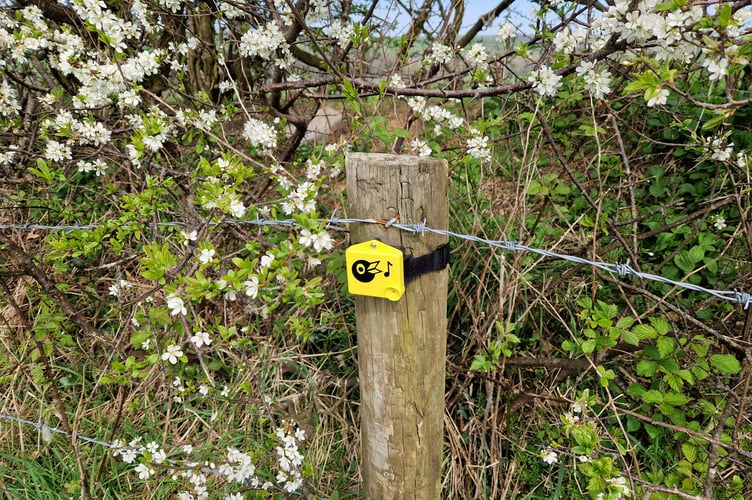
Recordings of birds across Welsh farmland could help reverse declining populations, according to a new Farming Connect-led study.
Farmland bird numbers have fallen in recent decades, but research on 14 upland and lowland farms with a mix of farming systems recorded 69 species, including 16 red-listed by the International Union for Conservation of Nature (IUCN).
The study suggests that the types of birds detected can indicate how well habitats are functioning and guide improvements to boost diversity and numbers. For example, low numbers of insect-feeding birds may signal habitats are not supporting sufficient insects.
Planting flower-rich margins or allowing wet scrub areas to develop could help, says Farming Connect Biodiversity Specialist Lynfa Davies, who oversaw the study. “This would be an area to focus on if increasing bird species diversity is an aim for the farm,” she explains.




The research took place over three months in 2025, during the April to June breeding season. It relied on specialist recording devices with sensors capable of detecting birds by their song, many of which are vocal while breeding. Two devices, provided by Chirrup Nature Services, were sited in different habitats on each farm and set to record for three hours during the dawn chorus. Participating farms included eight dairy and six beef and sheep operations, with one also housing poultry.
Recordings were analysed using artificial intelligence software, and results shared with farmers. Diversity varied, with one farm recording 46 species. Red-listed species included the linnet, tree pipit, curlew, green finch, ring ouzel and wood warbler.
The study also examined “trophic niches,” showing how species interact with the environment through feeding habits and their role in the food web. Birds of prey were detected, indicating habitats are supporting other birds, mammals and invertebrates. Omnivores, insectivores and aquatic herbivores were also recorded.
Comments
This article has no comments yet. Be the first to leave a comment.