

THE Welsh Liberal Democrats are calling on the Welsh Government to provide clarity on any contingency plans it has in place to deal with rapidly rising gas prices.
The Welsh Lib Dems have said they are concerned that many families could be pushed into fuel poverty - meaning they will not be able to keep their homes adequately heated - as winter approaches.
The call comes as the price of wholesale gas has surged by 70 per cent since August putting several smaller suppliers out of business. Factors behind the surge include increased demand from a reopening economy, consumers as we head into autumn and reduced supply from Russia and Qatar combined with high demand from Asia.
While the energy price cap has stopped the most extreme wholesale price increases being passed onto most customers so far, there are concerns that the Conservatives could eventually bow to pressure from energy companies to scrap the cap while those who received their supplies from smaller companies that go under will be forced into new and more expensive contracts with other suppliers.




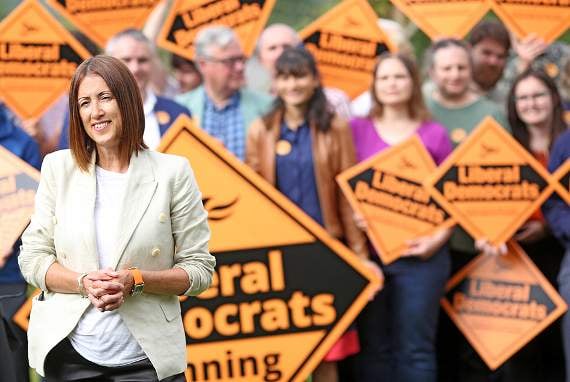
Welsh Liberal Democrat Leader and Mid & West Wales MS Jane Dodds - pictured right - said: “I am calling on the Welsh Government to publish contingency plans to help vulnerable families should energy prices significantly increase this winter.
“Fuel poverty is already a massive problem in rural Wales, with an estimated 17 per cent of all households in Powys living in fuel poverty. With single pensioner households and households in the private rental sector being particularly vulnerable. Following the COVID-19 pandemic, these numbers are likely to be higher now, as people have been at home more while earning less.
“Should consumer prices rise and the situation worsen, we could see a substantial increase in those suffering this winter. The Welsh Government must be prepared to assist local authorities in dealing with a potential rise in the number of people pushed into fuel poverty and wanting to access local schemes designed to assist those struggling to pay their energy bills.
“I am also concerned there is a risk that many people could be pushed over the edge by a combination of factors including the Conservatives cruel cut to universal credit payments, the end of the triple lock pension and higher consumer prices due to supply shortages.
“The current instability of the gas market shows the Conservatives in Westminster had taken their eye off the ball in diversifying our energy markets and moving away from gas as a power source. The crisis also demonstrates why in the long-term the Welsh Government must make insulation programmes an absolute priority so we do not see a repeat of this threat.
“Even before the threat of these price rises, we knew far too many people were being put under huge pressure, facing the impossible decision of whether to feed their family or stay warm.”
The Trussel Trust reported earlier this month that one in five people in Wales - or 61,000 people - say they will “very likely” be unable to afford to heat their homes this winter if the temporary Universal Credit uplift is withdrawn.
When approached for a comment, a spokesperson from the Welsh Government said that it is a “deeply concerning time for families”.
The spokesperson said: “ “Fuel price rises are coming at the same time as the end of the furlough scheme and the end of the £20-a-week uplift in Universal Credit. We know that removing the £20-a-week uplift will drive more households into poverty, making it more difficult for them to pay essential bills.
“We are calling again on the UK Government to stop this cut and make this £20-a-week raise permanent; to extend the payment to claimants of legacy benefits and to urgently work with Ofgem to postpone October’s planned increase in the domestic energy tariff cap.
“We will continue to provide additional flexibilities to the Discretionary Assistance Fund this winter, including the reintroduction of fuel support for off-grid clients.”
The Welsh Government’s Warm Homes Programme has been supporting lower income households since 2010 and it has benefited more than 61,400 households who have saved an average of more than £280 on their annual bills.
The Welsh Government has invested an additional £25.4 million into the Discretionary Assistance Fund [DAF] to help people who are experiencing severe hardship.
The DAF offers crisis payments to those experiencing severe financial hardship, although the payments are not intended to meet the cost of ongoing expenses. However, they are available to people who have no other means of meeting the immediate cost of living.
For more information about the DAF, visit the Welsh Government’s website by clicking here.