

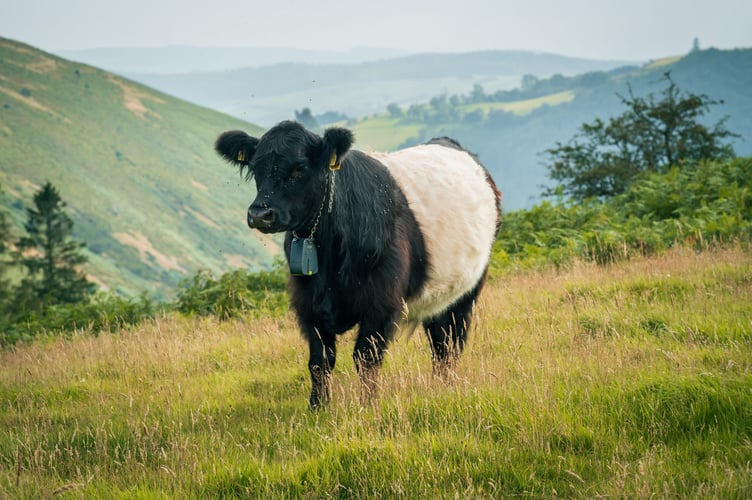
Cows and goats are playing a vital role in restoring some of the most important freshwater wildlife habitats in mid-Wales. Livestock is being introduced to carefully chosen sites as part of the River Irfon Catchment Project, led by Freshwater Habitats Trust.
Working with landowners, the national conservation charity is using controlled livestock grazing to help manage dominant vegetation and give rare plant species a chance to thrive.
The River Irfon catchment stretches from Abergwesyn to Builth Wells and is home to a rich variety of freshwater wildlife, living in ponds, wetlands, fens, and streams, as well as the main river channel. One of the aims of the River Irfon Catchment Project is to restore biodiversity hotspots by establishing long-term management plans to protect them for the future.
Part of the project focuses on restoring Sites of Special Scientific Interest and fens which are currently outside of the protected sites network. A Site of Special Scientific Interest (SSSI) is a legally protected area, designated for its rare wildlife or habitats. Yet despite this protection, many of the UK’s SSSIs are deteriorating, with pollution and changes in land management leaving habitats damaged or degraded.

Fens are a type of wetland fed by groundwater. They are particularly important for freshwater biodiversity because they support a wide variety of species, some of which are rare and found nowhere else. In the Irfon catchment, these wetlands include plant species such as the rare Varnished Hookmoss and one of the few populations of Slender Sedge in Powys.
Many fens in England and Wales have been lost or degraded due to changes in land use, including the decline of traditional livestock grazing, allowing trees and scrub to take over.
To identify sites for restoration, Freshwater Habitats Trust conducted detailed site surveys and worked with local partners to use a ‘scorecard’ system. Widely used in Ireland, this system enables a rapid assessment of habitat quality by recording the diversity of plant species.
The project team then worked with landowners to develop management plans, including introducing livestock, and clearing scrub vegetation and invasive species. These measures are designed to create more space for freshwater and wetland species and to bring more clean, unpolluted water and dynamic wetlands back to the River Irfon catchment.
Small numbers of native-breed cows are being introduced to sites, with cattle collars being used to manage and monitor where they go. Acting as ‘digital shepherds’, these collars emit an audible warning when cows approach restricted areas. This means landowners can determine where cattle graze without fencing off waterbodies or areas of land.
Goats will also be introduced on one site where the amount of scrubby vegetation is too much for the cattle to handle, with collars being used to manage their grazing.
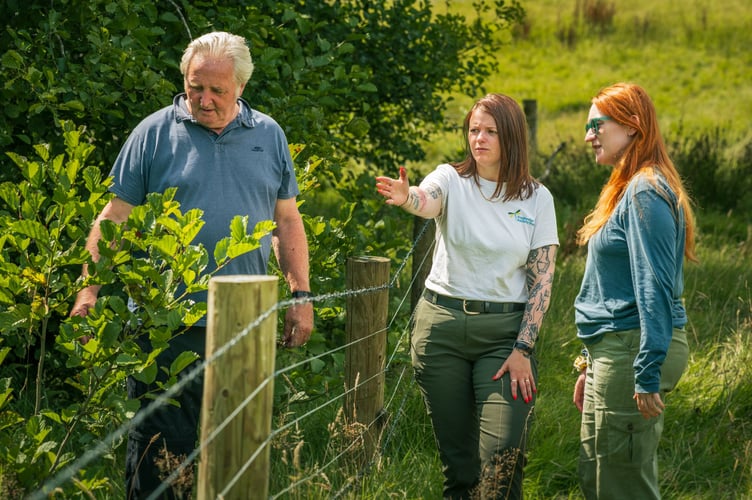
River Irfon Catchment Project Manager Geraint Watkins said: “Freshwater species have evolved alongside large animals for millions of years, and today conservation grazing can be a very effective way of managing sites that support rare and threatened freshwater species. Cattle trample the margins of ponds and other waterbodies, creating new habitats for plants, and grazing can also help prevent dominant plant species from taking over.”
Catherine Straw, Senior Officer – River Wye Restoration, Natural Resources Wales (NRW) worked with Freshwater Habitats Trust to introduce cattle to a SSSI designated by NRW. She said: "By bringing in carefully managed cattle grazing, we hoped we could begin improving the structure of the vegetation and support the recovery of the plant communities that these SSSIs are designated for.
"The cattle have helped break up some of the dense Purple Moor-grass tussocks and opened up small patches within the sward, creating a more varied structure across the sites. These early shifts are encouraging because they begin to create the conditions that allow a wider range of typical marshy‑grassland plants to establish over time.
“As someone from a farming background, I know first‑hand how crucial farmers are in looking after these landscapes. Many of our most important habitats only exist today because of generations of sensitive, traditional grazing. By working closely with farmers and recognising their knowledge of the land, we can achieve sustainable restoration that fits with farm businesses and delivers real benefits for nature.
“The River Irfon Catchment Project has worked together with farmers to help us respond to these pressures in a practical way that supports both the habitat and the people who care for it. The positive working relationship between Freshwater Habitats Trust and farmers in the Irfon has really helped move things forward on these sites. It’s a great example of how on‑the‑ground partnership can support the health of these marshy grassland habitats.”
Freshwater Habitats Trust Senior Plant Ecologist David Morris supported the project team on the fen restoration. He said: “Fens are vital for wetland wildlife but are dependent on regular management, such as grazing. Most fens across England and Wales have been unmanaged for many years and are degraded.
“Primarily, this is down to the difficulty of making use of these wet places in a modern, productive farm business, and the lack of support to manage these, often small, areas of land. So, it’s really exciting to be reversing this trend in the Irfon and supporting farmers and local communities to appreciate the value of these special places.
“An important part of our work in the catchment has been working with farmers to reintegrate these wetlands into farming practices, investing in the livestock, infrastructure, and knowledge needed to improve their condition, now and in the future. I’m looking forward to seeing cows back in the Irfon’s fens and the positive impacts they will bring for the region’s wildlife.”
The River Irfon Catchment Project is funded by the Nature Networks Programme and delivered by the Heritage Fund, on behalf of the Welsh Government.
Comments
This article has no comments yet. Be the first to leave a comment.