

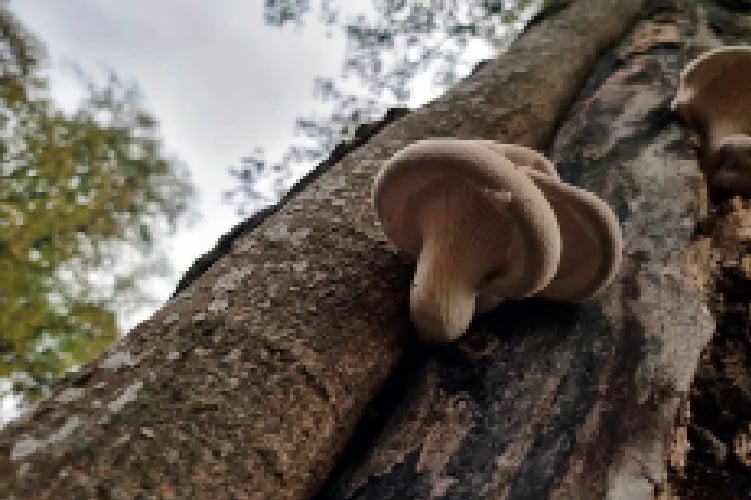
A new project has been set up to discover the huge range of species living in Llandrindod Wells.
Launched by Trawsnewid Llandrindod Transition, the Wild Llandrindod - Nature Counts project aims to engage local people in biodiversity, and to help everyone to understand habitats and ecology, from the impacts of cutting verges to the need to maintain diverse habitats.
Anyone can join in with the project, either through the active Wild Llandrindod Facebook group, or for those without computer access, by getting involved in forays and events. These will be advertised in various places including the windows at Chatsworth (at the Sign of the Trilobite) on Spa Road, along with news of latest discoveries, and things to look for.
The project is maintaining an ongoing list of the species known in, and immediately around, the town. This is based on existing records from Wales’ Biodiversity Information System, but with lots of extra species already added, from birds to fungi and minute wasps to single-celled algae.


The current list is available online and stands at over 3000 species, with much more still to come.
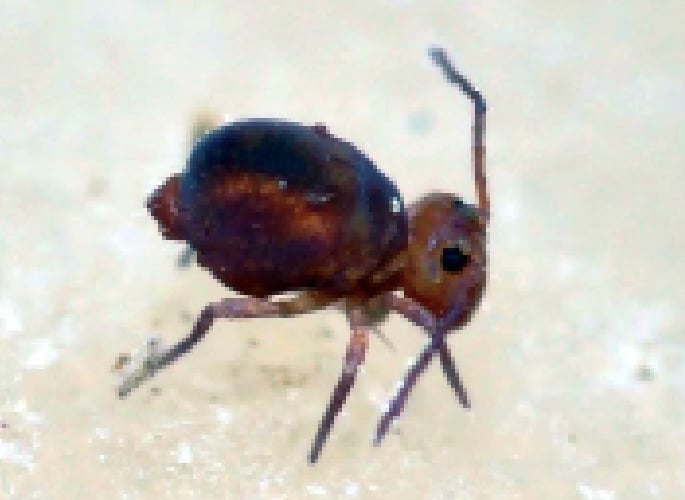
Organiser Dr. Joe Botting said: “The most remarkable thing about this list is that we’re looking at the things that are living all around us. This isn’t about special sites like nature reserves; it’s our town buildings, parks and gardens, and a tiny bit of the surrounding fields and hillsides.
“These are the plants, animals and other organisms that we can all meet, just by walking out of our door and looking.”
The project will involve lots of free, open forays, workshops, and mini-bioblitzes over the coming years.
If you would like to volunteer your garden to be investigated for its biodiversity, the organisers would love to hear from you. Get in touch either through the Facebook group, or by contacting Joe directly on 01597 829203.
Some of the more recent discoveries are also posted in the windows at Chatsworth, so make sure to check for updates as you pass by. These currently include spider, beetles, the Veiled Oyster Mushroom, a mite that may well be new to the UK, and the Green Hydra.
This represents a fantastic opportunity to recognise our little neighbours and to help reveal and understand them. In the process, you can discover an immensely rewarding hobby, and meet others interested in this wonderful world we live in.
Comments
This article has no comments yet. Be the first to leave a comment.