
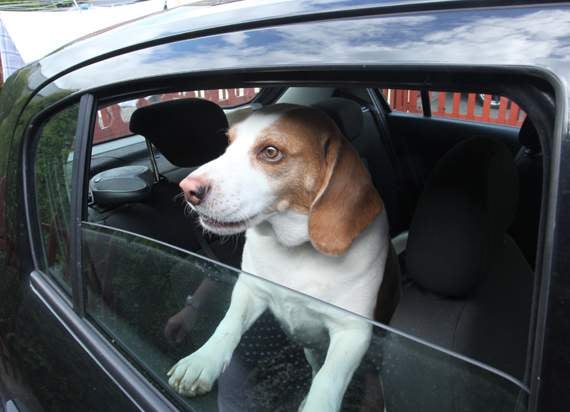
RSPCA Cymru are urging owners to take care of their pets through the summer after a call came in every four and a half hours over the May bank holiday weekend.
The charity’s helpline received 21 calls across Wales during the hot weather expressing concerns for animal welfare.
There were 14 calls about dogs in the heat, with other heat-exposure calls referring to cats, horses and farm animals.
The RSPCA said while the heat exposure complaints can include animals suffering from the heat outside, in caravans or in conservatories, most of the incidents were surrounding dogs in hot cars.




RSPCA Cymru superintendent Martyn Hubbard said: “A hot car can be a death trap for dogs, it is as simple as that. Leaving your dog in a car, even on an average warm, even cloudy day, can put your pet at huge risk of suffering and even death.
“This is not a new warning, but sadly too many people still don’t appreciate how dangerous it can be to leave a dog in a hot car, conservatory or caravan.
“We would urge dog owners to consider whether it would be best for their pet to stay at home, or whether they are able to keep their dog with them while they are out and to make sure their pet has plenty of access to shade and fresh water throughout the day when they do.
“It shocking that we received a call every four a half hours over the weekend, but it may also be that there were many more incidents as we recommend we call the police, who in an emergency should be the first point of contact.”
Even after the use of air conditioning, the temperature inside a car can soar to 47 degrees celsius even if the temperature outside is only 22 degrees celsius.
The RSPCA said that leaving the window open and a bowl of water in the car isn’t enough for furry friends and can leave them in serious danger of heatstroke which can be fatal.
A dog’s normal body temperature is around 39 degrees celsius, however if their temperature rises to 42 degrees celsius it is fatal with 41 degrees celsius causing canines to start developing brain damage - it can take as little as 20 minutes to put pets in serious danger in a hot car.
The charity has said that most obvious signs of heat stroke in dogs is excessive panting and profuse salivation.
Other signs include overly red or purple gums, a rapid pulse, a lack of co-ordination, a reluctance or inability to rise after collapsing, seizures, vomiting or diarrhoea and in extreme circumstances coma or death.
Mr Hubbard said: "Dogs are covered in fur and do not sweat in the same way as humans do. Unlike humans, dogs pant to help keep themselves cool. The effectiveness of panting is reduced at high temperatures and humidities.
"Cars heat up very rapidly in hot – or even warm – weather. Air-conditioning can disguise the danger that a dog will face once the engine is turned off.
"Owners who fear their dog may be suffering from heat stroke should act with great urgency. Pets should be moved to a cooler spot straight away before ringing your vet for advice immediately.
"Under the Animal Welfare Act it is illegal to cause an animal unnecessary suffering. Penalties for doing so are an unlimited fine and/or a six-month custodial sentence."
RSPCA Cymru have said that anybody who sees a dog in a hot car, especially if it’s showing signs of heatstroke, should report it to the police - they said they may not be able to attend quickly enough and they need police assistance to gain entry to a vehicle.
The charity has said that people should only break into a vehicle to free a dog as a last resort and that they should speak to the police beforehand.
Mr Hubbard said: "If the situation becomes critical and police can’t attend, many people’s instinct is to break into the car to free the dog.
"Please be aware that, without proper justification, this could be classed as criminal damage. Make sure you tell the police of your intentions and take photos or footage of the dog as well as names and numbers of witnesses.
"The law states that you have a lawful excuse to commit damage if you believe that the owner of the property that you damage would consent to the damage if they knew the circumstances."
Once the dog has been removed from the car, it should be moved to a cool and shaded area and have small amounts of room temperature water poured over its body - the charity said not to use cold water as it could cause the dog to go into shock.
They said to allow the dog to drink small amounts of cool water, and that once the dog is cool to take it to the nearest vet as a "matter of urgency".
If the dog is not displaying any heatstroke symptoms, establish how long it has been in the vehicle and make a note of the registration.
The RSPCA said that if it is outside a building such as a restaurant or a shop, ask a member of staff to announce the situation and, if possible, get someone to stay with the dog to monitor its condition.
Owners who enjoy taking their dogs on longer walks in the hot weather should ensure they bring plenty of water for their pet and that there are shady areas on the route.
You can call the RSPCA’s 24-hours emergency cruelty line on 0300 1234 999 for advice. If an animal is in danger, always call the police on 999 first.