

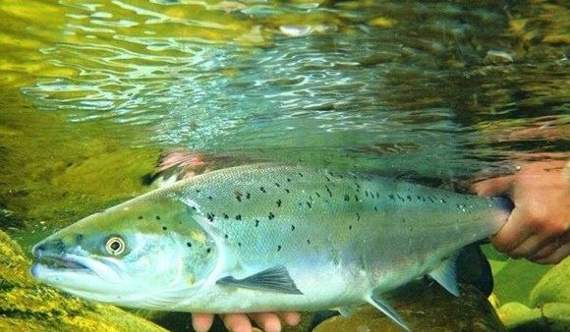
A 12-week consultation on proposals for new catch control byelaws for salmon fishing in the River Wye began this week.
NRW is urging anglers and interested parties to have their say on proposed new byelaws. It is hoped that the proposed new measures will contribute to a reversal of the current decline of returning adult salmon numbers in the Wye.
This consultation provides the opportunity to express views on the proposed byelaws, which intend to improve the chances of salmon survival and further increase numbers that can successfully spawn; leading to recovery and the long term future sustainability of this iconic species.
The existing byelaws mandating catch and release on the Wye expire in December and these proposals are necessary to ensure stocks are protected.



Peter Gough, Principal Fisheries Officer for Natural Resources Wales, said:
“There are continuing concerns around the numbers of salmon returning to our rivers and the future of many fisheries is now threatened.
“Put simply, there are not enough adult fish spawning to sustain stocks at their current levels or to prevent further decline.
“We are now seeking views on the catch control proposals which will protect vulnerable stocks while maintaining the important environmental and economic benefits associated with fishing.
“NRW is tackling other factors affecting fish stocks such as habitat damage, pollution and illegal exploitation, however it believes these proposals can make a real difference.”
The proposals for the River Wye are mandatory catch and release of all salmon and sea trout, as well as revised end date for the salmon season so that it runs from 3 March to 17 October for the whole river and tributaries.
The byelaws would be in place until 31 December 2029 to coincide with the end of the ‘All Wales’ and ‘Cross Border’ byelaws.
These byelaws are intended to protect vulnerable stocks, while maintaining many of the important benefits associated with the fisheries.
Peter added:
“Just as the Wye is an iconic river, the salmon is an iconic fish and we must do everything in our power to ensure stocks recover and thrive in the future.
“We recognise the need for a fully integrated whole-catchment approach for our border rivers and we are working with the EA to ensure that this happens in a practical and sensible way.”