
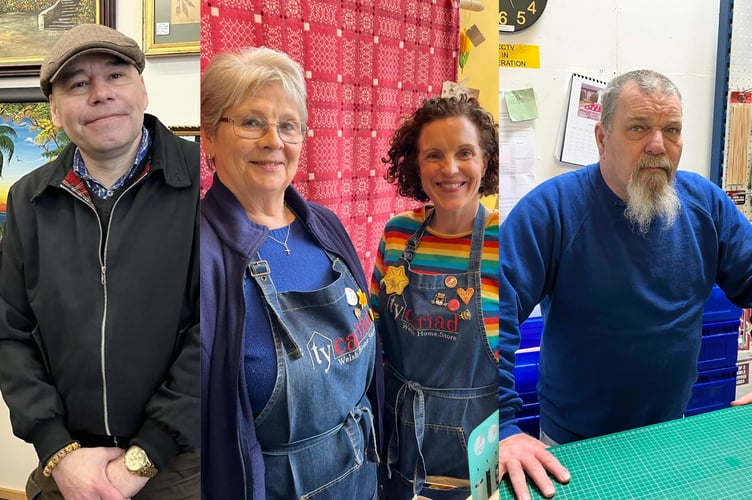
From the Mid Wales towns of Powys to the post-industrial valleys of Neath Port Talbot and Swansea, two very different parts of Wales are about to come together on the political map, writes Lewis Smith.
In rural towns such as Brecon and Llandrindod Wells, life is heavily influenced by the countryside, with issues such as farming, tourism, and access to services key to the mindset of residents when it comes to an election period.
Travel south to the towns of Neath and Pontardawe, though, and the picture is a little different, with topics such as employment, the NHS, and local regeneration at the top of the list for close-knit valley communities.
Despite these differences that encompass both culture and voting history, in the 2026 Senedd elections they will be brought together under a new political seat known as Brycheiniog Tawe Nedd – a large geographical area that spans a distance all the way from the coast up to the centre of Mid Wales.


It is a seat created as part of major reforms to the election process in Wales that were designed to modernise Welsh democracy with a new voting system, more elected members, and new constituencies.
However, with the elections just weeks away, people on the ground are now starting to ask if these distinctly different parts of Wales can really fit together when it comes to the vote.
In Neath Market, Mandy Gunter, who runs a fabric stall, said her priorities for the next Welsh Government would be protecting the NHS and providing better funding for education and schooling.
When it came to the new constituency, she said there was a great deal of uncertainty about the combination at the moment as residents prepare to head to the ballot box.
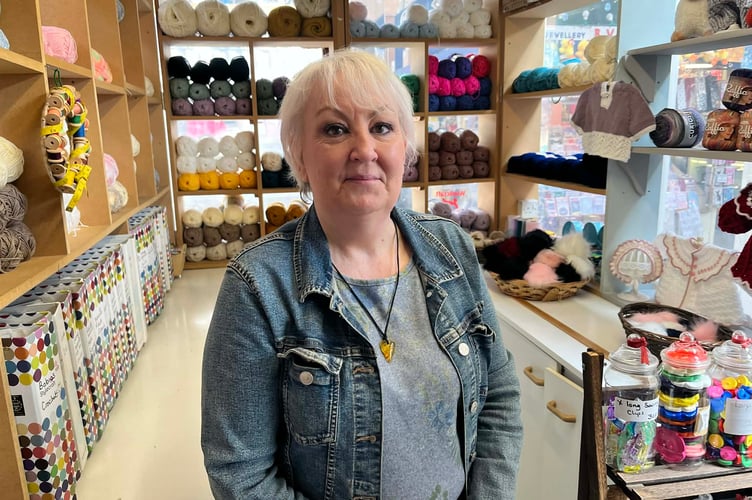
She said: “It is chalk and cheese because one’s a very touristy and rural area, but this is a boots-on-the-ground area with industrial communities, so you’ve got chalk and cheese there. How it’s going to work on the shop floor remains to be seen. I can’t see it working because of the difference in the infrastructure of both places.”
Music stall worker Lloyd Evans said he felt one of the biggest issues facing the people of Neath was the cost of living, adding that for him they would be better represented by smaller voting constituencies where politicians could focus on the areas they knew.
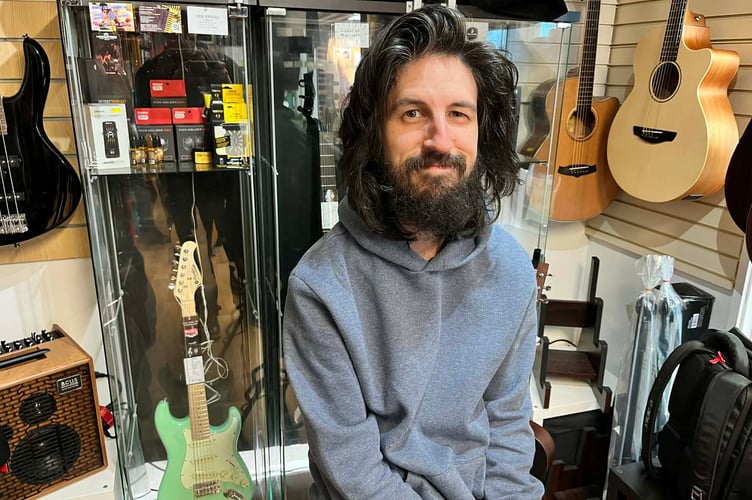
He said: “I don’t think there’s necessarily anything wrong with having contrasting communities in any kind of vote – I think the issue is the area. The size of it is just insane. It’s too big and it covers too broad an area.
“It’s gotten to the point now where I feel like the power is gone from Wales because they’re shrinking the amount of constituencies and the areas of them are growing.
“It’s almost like they’re not going to understand what certain areas in Wales need because they’re trying to cover too many people and areas with just the one constituency.”
Ben Rae, who runs the Goblin Box gaming shop in Neath Market, added: “Personally I think there’s a lot of disparity between the needs of those areas. They don’t necessarily have the same sort of feel to them, so it’s odd that they’ve just squashed them all together.
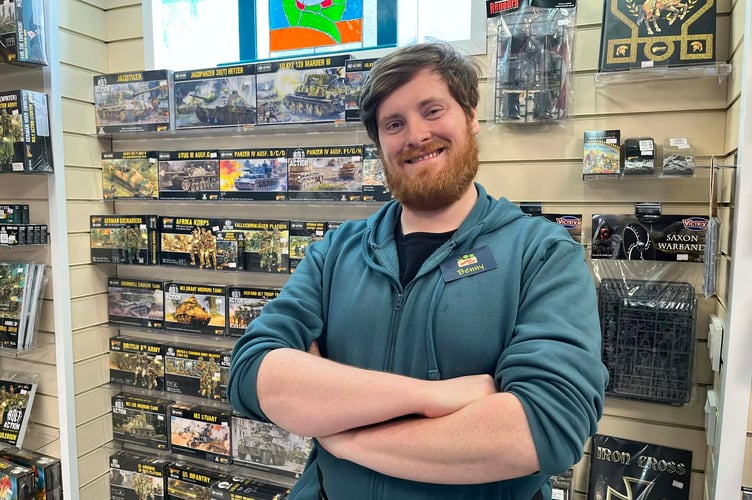
“I feel it could heavily damage the voices of people in Neath because it’s quite easy to say everything’s fine in another part, but then that gets plastered over everyone. It’s a huge area and very, very different.”
Leaving the valley towns, long known for being Labour strongholds, and heading north towards Brecon, the feeling of uncertainty among voters remains largely the same.
While they agreed a number of priorities would be shared across the whole of this new constituency, such as the importance of the NHS and education, shop workers Kath Jones and Sara Skinner also accepted there could be a lot of differences in both outlook and needs as well.
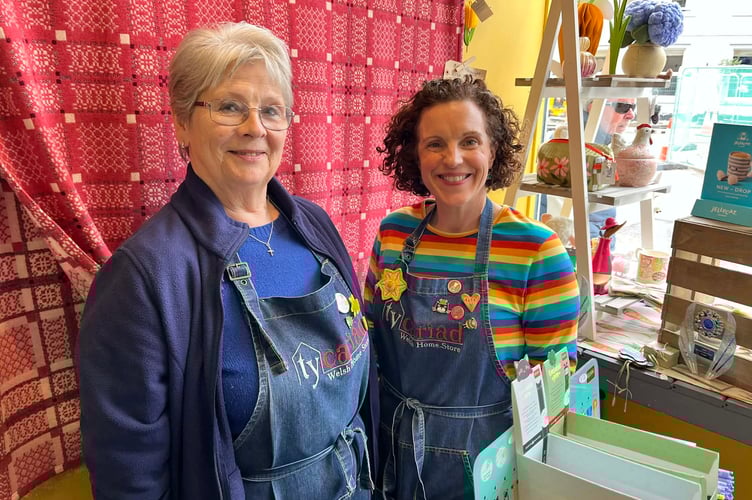
Sara said: “Brecon especially is a very touristy area and we rely on that a lot more than other areas with higher populations. And obviously agriculture, because we have very high [focus on] agriculture, so they’d be looking for different things to towns.”
Christopher Gerrans runs an antique shop in Brecon and said while he fully supported having more Senedd members, he still had some reservations around the new boundaries.
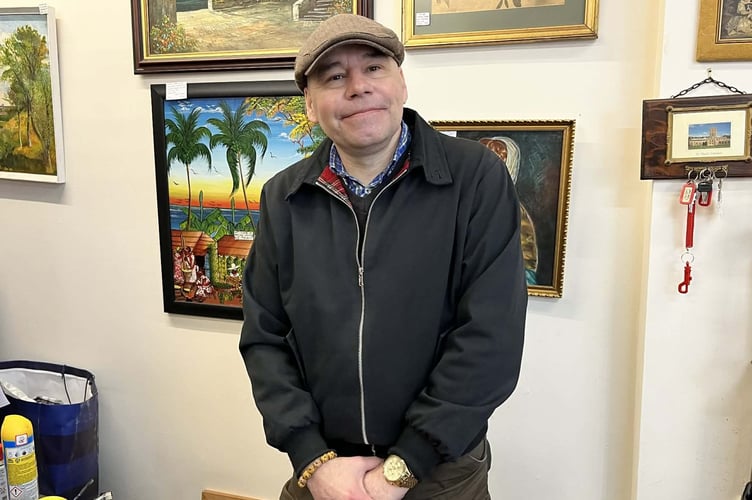
He said: “The bigger the area, the less chance you can speak with your representative, but if it’s a smaller area you’ve got a better chance of speaking to somebody that can make a difference, and that’s what I think it should be.”
In Brecon Market, stall-holder Haydn Evans said he felt priorities for people in the town focused around the cost of living and improving the state of local roads.
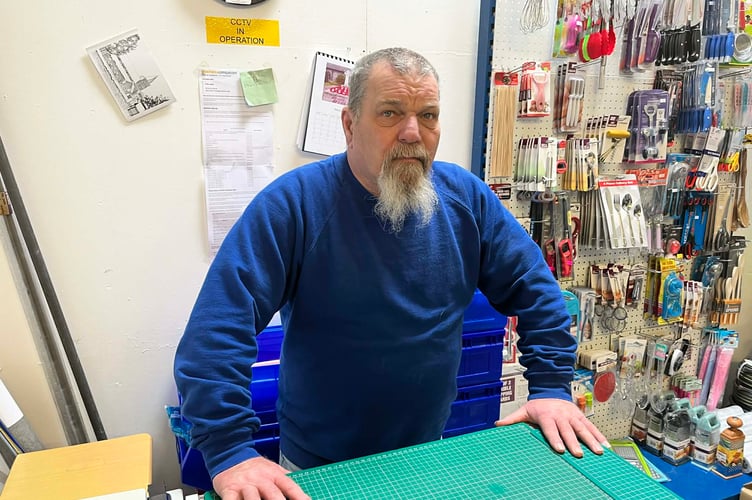
However, he was opposed to the move to increase the number of Senedd members from 60 to 96, saying: “I don’t like the new changes and would be much happier if they got rid of 30 and gave the money to the NHS.”
Voting for the 2026 Senedd elections will be held on Thursday, May 7.
Polling stations will open at 7am and close at 10pm. The votes will then be counted during the day on Friday, May 8.
The devolved election in Wales will decide who represents voters at the Welsh Parliament, known as the Senedd.
Decisions made there include key areas such as health, education, and the environment over the next four years.
Comments
We've recently changed our login process. If you have an account for commenting, you will need to re-register on the login window.
This article has no comments yet. Be the first to leave a comment.