
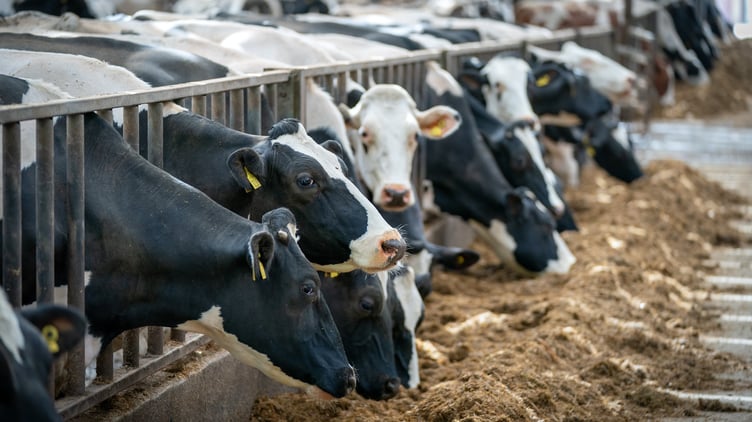
The number of confirmed bluetongue cases in Wales has passed 100, with livestock keepers being urged to remain vigilant and consider vaccinating their animals.
The Welsh Government said keepers must continue to report suspected cases to the Animal and Plant Health Agency (APHA) immediately.
Where bluetongue cannot be ruled out during an initial telephone assessment, a veterinary inspector will visit the farm to investigate and decide whether laboratory testing is needed.
Up to three samples per farm can currently be tested at the Welsh Government’s expense, meaning there is no cost to keepers for the veterinary visit, investigation or testing linked to a reported suspicion.
APHA is prioritising suspect cases in Scotland and Wales, helping to ensure test results are returned as quickly as possible.
Cabinet Minister for Rural Resilience and Sustainability Llyr Gruffydd said: “Bluetongue continues to spread across Wales and Great Britain, and we are keeping a close watch on the situation.
“Our position on testing and reporting in Wales has not changed. Keepers must continue to report suspected cases to APHA straight away.
“We know farmers and vets are watching developments across Great Britain closely, and we are working closely with the other administrations to monitor the situation and maintain vaccine availability.”
The Welsh Government is urging keepers of susceptible animals to discuss vaccination with their vet and place orders now.
It said vaccine manufacturers and wholesalers were importing additional supplies from Northern Ireland and Europe to help meet demand across Great Britain.




Chief Veterinary Officer for Wales Dr Richard Irvine said vaccination was the “only viable long-term measure” to protect livestock against bluetongue.
“Vaccination is the only viable long-term measure to protect livestock against Bluetongue. Vaccine demand is very high at present,” he said.
“I urge all keepers of susceptible animals to discuss vaccination with their vet, and to place orders for vaccine now to demonstrate demand for BTV-3 vaccines and access commercially available supplies.
“Before bringing replacement animals onto your holding, check their bluetongue status and ask if stock has been vaccinated. Know what signs to look out for and make sure you're not buying more than you bargained for. If you suspect disease, report it to APHA immediately on 0300 303 8268.”
Bluetongue is an insect-borne virus which affects ruminants including sheep, cattle, goats and deer.
Sheep are more likely than cattle to show obvious signs of infection. These can include ulcers in the mouth and nose, discharge from the eyes or nose, drooling, swelling of the head and neck, fever, lameness and breathing problems.
In more serious cases, it can cause abortion, stillbirths and death.
Cattle can show less obvious signs, including lethargy, fever, nasal discharge, reduced milk production and not eating. They can also carry the virus for several weeks while showing little or no signs of disease.
Bluetongue does not affect people or food safety, but outbreaks can result in prolonged animal movement and trade restrictions.
Anyone suspecting bluetongue must report it to APHA on 0300 303 8268.
Comments
This article has no comments yet. Be the first to leave a comment.