

Tensions in the Middle East are increasingly having real consequences here at home, adding further strain to farmers and rural communities already under pressure. In recent weeks, sharp increases in fuel and energy costs have shown how exposed rural Wales remains to global events.
Recent reports, including those from Farmers Weekly, highlight a steep rise in the cost of red diesel. Prices have climbed from around 67 pence per litre in February to about 109 pence per litre by mid-March, an increase of more than 60% in a matter of weeks. Heating oil has followed a similar pattern, in many cases rising from roughly 60 pence per litre to around £1.30.
For rural areas, these increases have had a direct impact on household and farm budgets. Large parts of Wales are not connected to the gas grid and rely on oil instead. In Powys, around 55% of homes are off-grid, while in Ceredigion the figure is closer to 74%. This leaves families and businesses particularly exposed when prices rise so quickly.
Meanwhile, for many farmers, surging red diesel and fertiliser prices are feeding straight into day-to-day costs, adding further pressure to already tight margins. Those increases will inevitably work their way through the supply chain and be reflected in the price paid by consumers.

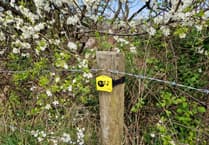

The volatile situation also feeds into wider concerns about rural crime. Past experience shows that when fuel prices increase, theft often follows. Farms can be targeted because of fuel tanks and machinery being on site. Alongside financial loss, there is also the risk of environmental damage if fuel is spilled.
Practical steps can help reduce the risk, which include monitoring fuel levels, securing tanks and pumps, and using CCTV where possible. These are all sensible precautions. Staying alert and reporting suspicious activity can also play an important role.
It is not only farms that are affected. Churches, chapels, village halls and other community buildings often rely on heating oil and may be left unattended, making them vulnerable.
This situation is a reminder of how quickly global pressures can affect rural areas. It also underlines a wider point about food security. The strength of our food supply depends on a stable and supported farming sector. Welsh farmers play a central role in producing food and sustaining rural communities. Ensuring that they are supported through periods of volatility is essential - not only for the sector itself but for the resilience of the food system as a whole.
Comments
We've recently changed our login process. If you have an account for commenting, you will need to re-register on the login window.
This article has no comments yet. Be the first to leave a comment.