

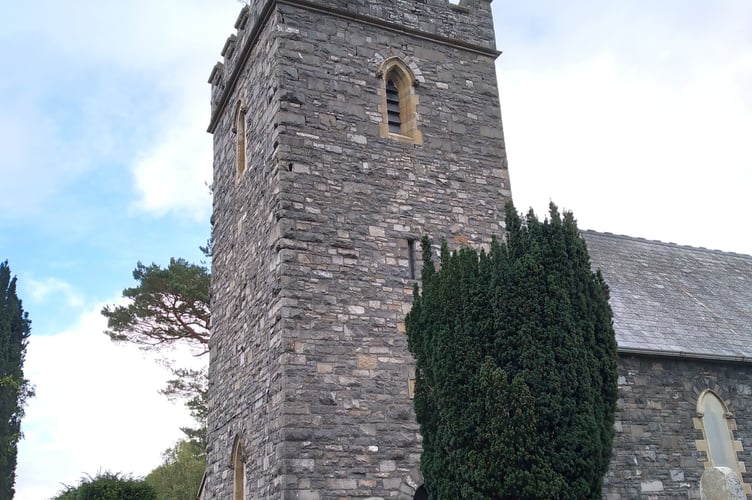
A historic church tower which has been closed over safety fears is to be repaired after securing funding to tackle extensive rot and water damage.
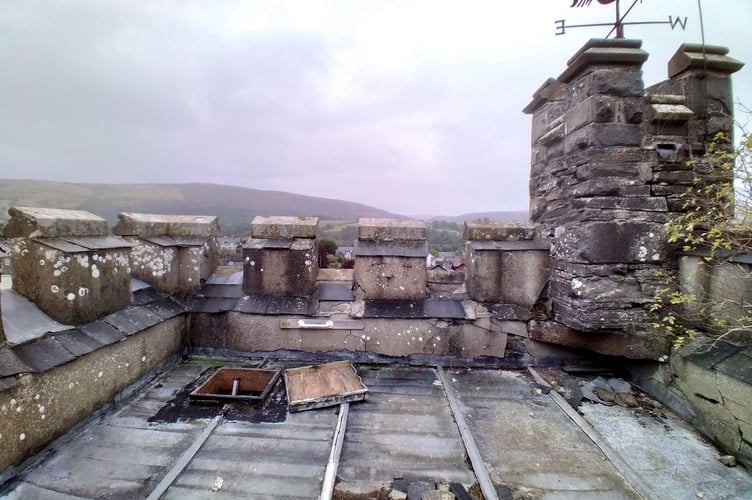
The tower at St Clement’s Church, Rhayader, has been shut after timber floorboards were found to be unsafe, with damp and decay spreading through the structure and water entering through cracks in the masonry.
Church officials say the building could have become beyond repair without urgent work.


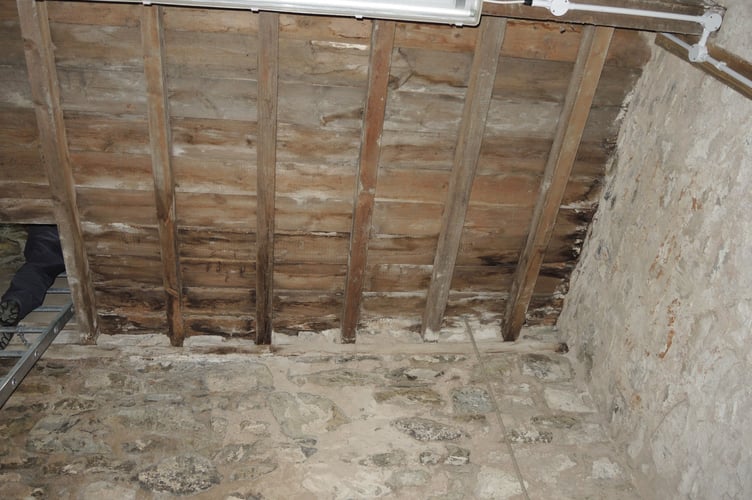
Funding will now allow essential repairs, including replacing rotten timbers and making the tower windproof and watertight.
The work forms part of wider support from the National Churches Trust, which is distributing almost £800,000 to churches across the UK. St Clement’s has been awarded £22,610 through the Jane Hodge Foundation.
Once the tower is stabilised, the church says it hopes to increase public access to the building and develop it further as a community and heritage space.
St Clement’s has stood on the site since medieval times, with the current building dating from the 18th century. It contains a number of historic features, including an early medieval font and a stone pulpit.
The grant will be used to repair the tower so it is windproof and watertight once more. Work will include replacing rotting timber floorboards, carrying out emergency masonry repairs to the walls, and recovering the lead roof.
Claire Walker, Chief Executive of the National Churches Trust, said: "The National Churches Trust is delighted to be able to support St Clement church to enable them to carry out urgent repairs to their beautiful building. Not only will this protect this important heritage, but it will help to keep the church building open and serving local people.”
Gareth Simpson, Wales/Cymru Support Officer at the National Churches Trust, said: "Once the repairs have taken place, the church will be an even more welcoming space for all to enjoy.
Gafyn Blakeway, Lead Grant Officer and Chair for St Clement’s Church Committee, said: “As with so many other churches, keeping the fabric of such historic buildings safe and in good condition is a massive challenge for congregations. This is even more the case in rural areas such as Mid-Wales. We are thrilled and very grateful to have received this grant from the National Churches Trust. Thank you!
“Without such support we would have been forced to close the church, while the future of an historic building in the heart of our town would have become deeply uncertain. The service that St Clement’s has provided the town for hundreds of years would also have come to an end.
“This grant, together with the other generous donations and grants that we have so far received, will help us to make the tower safe and to keep St Clement’s open to benefit both the local community and visitors to Rhayader.
“Once the tower has been made safe, we then hope to reorder the church’s interior if we can raise the necessary funds. The aim of this next exciting project is to make St Clement’s even more accessible and of use to the local community and thereby help to assure its future.”
The present building has been rebuilt and altered on several occasions. The earliest church on the site is believed to date from the 12th century, with much of the current structure dating from an 18th-century rebuild. Further work followed in the 19th century, including major changes in the 1860s when a chancel was added, and a significant rebuilding of the tower in 1887. The church was extended again during the First World War and re-dedicated in 1917 by the Bishop of Swansea.
Although it is unlisted, the church contains a number of historic features inside and in the churchyard. These include an early medieval font, carved with four worn faces, a Gothic-style stone pulpit, and a carved wooden parclose screen. There are also stained glass windows from the 19th and early 20th centuries, including a First World War memorial window.
The churchyard is home to the so-called “Giant’s Grave”, where human remains were discovered during rebuilding work in the 18th century. The find included unusually large bones, giving rise to local legend.
Comments
We've recently changed our login process. If you have an account for commenting, you will need to re-register on the login window.
This article has no comments yet. Be the first to leave a comment.