

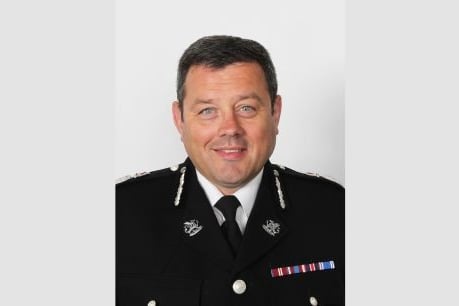
Dyfed-Powys Police Chief Constable Ifan Charles has said policing leaders are united in calling for “bold and ambitious reform” following the Home Secretary’s announcement of the largest overhaul of the police service in two centuries.
Home Secretary Shabana Mahmood set out the proposed changes in a statement to the House of Commons on Monday, alongside the publication of a white paper titled “From local to national: a new model for policing”.
The reforms include a review into reducing the number of police forces in England and Wales, the creation of a new National Police Service to tackle serious and complex crime, and new powers for ministers to intervene directly in underperforming forces.
Speaking in response, Chief Constable Charles said the priority for Dyfed-Powys Police would remain victims of crime and the communities the force serves.




“Police leaders are united in calling for bold and ambitious reform which delivers a world class service for our communities, officers, staff and volunteers,” he said.
“The priority for policing is and will always be victims of crime, and the services and support we provide to victims and the communities we serve. In that sense, it is business as usual for now.
"Crime is changing, technology is evolving, and we need to be set up in the best possible way to tackle crime in the modern world, relentlessly focused on good quality neighbourhood policing alongside national threats.
“I am committed to doing my utmost to ensure any changes to policing are right for the people of Dyfed and Powys, and together with my fellow Chief Constables in Wales, ensuring we deliver the best possible service to Welsh communities."
Under the proposals, specialist national functions including counter-terrorism, organised crime units, police helicopters and national roads policing would be brought together under a single National Police Service, led by a national police commissioner. Responsibility for forensics would also transfer from local forces to the new national body.
For neighbourhood policing, under new reforms, response officers will be expected to reach the scene of the most serious incidents within 15 minutes in cities and 20 minutes in rural areas, and forces will be expected to answer 999 phone calls within 10 seconds. The government said these new targets will ensure that all forces provide the same level of police response to crimes.
The white paper also sets out plans for new national standards on mandatory vetting and licensing for officers, expanded use of technology including artificial intelligence, and stronger powers to remove failing chief constables.
Comments
This article has no comments yet. Be the first to leave a comment.