

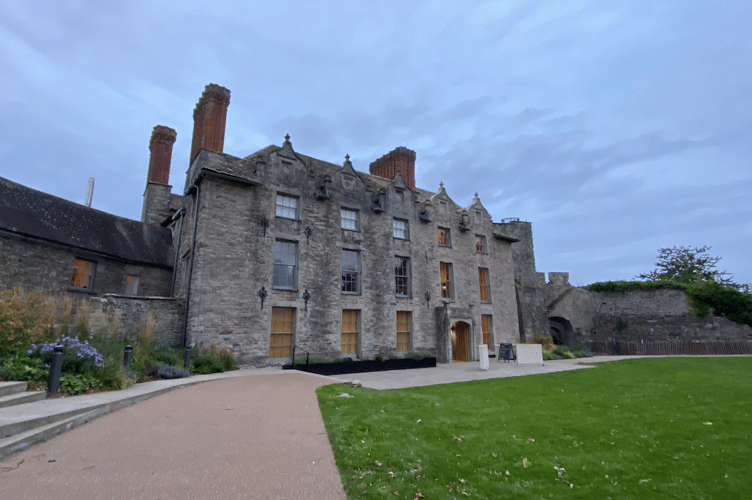
Plans have been lodged with Bannau Brycheiniog National Park Authority (BBNPA) to convert historic buildings that form part of a Powys castle complex.
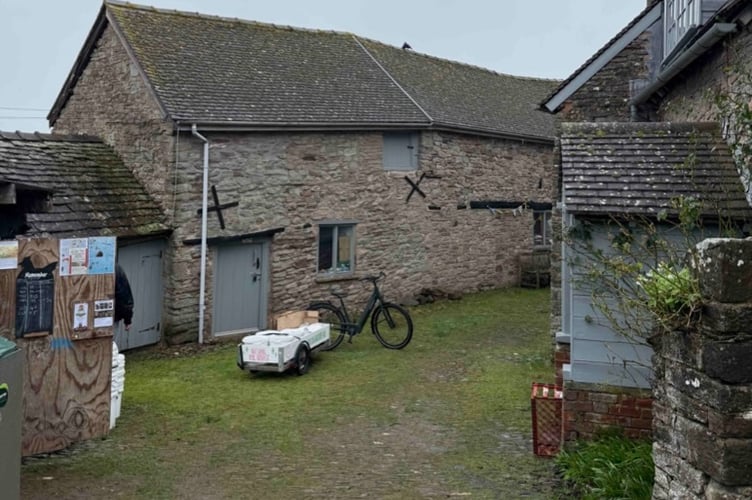
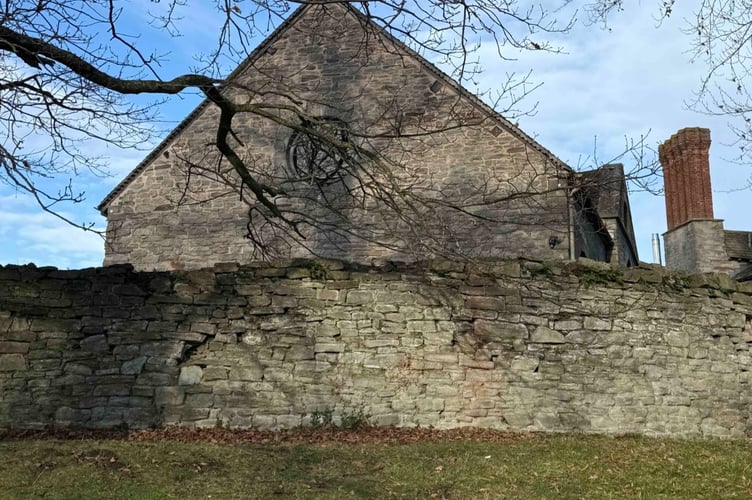
The Hay Castle Trust wants to convert Hay Castle's Coach House into a visitor centre with accommodation upstairs, and an outbuilding on the site will be converted into a holiday cottage.
The aim of this project is to help "the economic self-sufficiency" of the Hay Castle Trust and charity.



Planning agent Dean Benbow of Warren Benbow Architects explained the proposal in documents submitted with both the full and listed building consent applications that support the development.
Mr Benbow said: "The Coach House and outbuilding form part of the complex of buildings at Hay Castle that are collectively Grade I listed.
"Both the Coach House and the outbuildings are Grade II listed in their own right."
The Coach House ground floor would also have gallery space for local artists and artisans, and the first floor would be converted into holiday accommodation.
Mr Benbow said: "The challenge, as we see it, is how to convert these buildings so that the trust can make beneficial economic use of them to support their work, whilst simultaneously preserving their appearance and contribution to the setting of Hay Castle."
Mr Benbow explains that these buildings are "low-key elements" within the castle setting and that he does not want to make changes that would "draw undue attention to the buildings and thus distract from the main buildings and the overall composition and hierarchy of the site."
The documents outline in detail how the changes would be made without affecting the historical value of the buildings.
Mr Benbow said: "The less-than-significant harm these changes create is more than compensated for in the overall planning balance by the economic benefit of bringing the buildings back into active use and in securing a long-term future for these historic structures.
"These proposals are intended to give a new lease of life to these important outbuildings and, in doing so, help support the wider aims of the Hay Castle Trust."
Hay Castle, which also encompasses a 17th-century manor house, has a long history dating back to the Norman invasion of Wales.
Around 1200, the castle was rebuilt in stone by the powerful Marcher barons, the De Braose family, whose political fortunes fluctuated throughout the 13th century.
The castle was burnt down by the Prince of Gwynedd, Llywelyn ap Iorwerth, in 1231.
In 1263, Llywelyn's grandson, the Prince of Wales Llywelyn ap Gruffydd, along with Simon de Montfort, the leader of the barons in the Second Barons' War with Henry III, captured and burnt the castle.
The castle was further damaged around 1401 in the conflict with Owain Glyndwr and later in 1460 during the Wars of the Roses.
Find out about planning applications that affect you by visiting the Public Notice Portal.
In the 17th century, Howell Gwynne built a mansion, which was replaced in 1660 when gardens were also created there.
Comments
We've recently changed our login process. If you have an account for commenting, you will need to re-register on the login window.
This article has no comments yet. Be the first to leave a comment.