

Residents and visitors are being told that plans are in place if blue-green algae returns to local waterways this year.
Powys County Council says it has strengthened its response arrangements following problems seen last summer.
The council said the incident last year affected communities, wildlife, anglers and people using local waters for recreation.
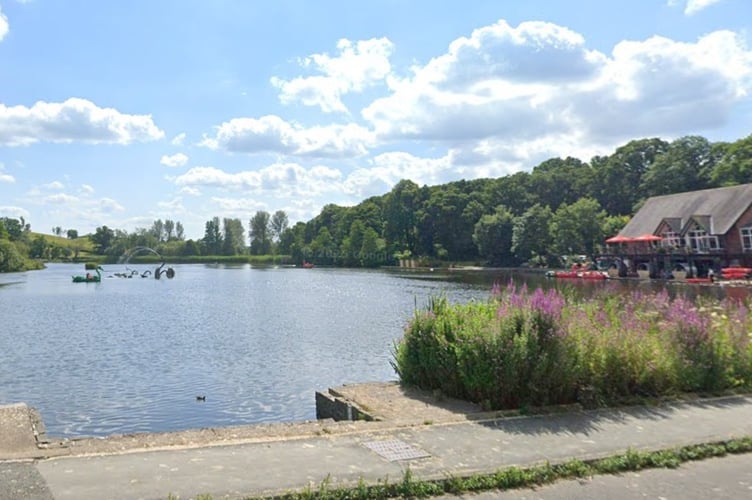
Blue-green algae was found at Llandrindod Lake in July, prompting warnings to the public about possible health risks. People were advised not to swim, avoid contact with the water and keep pets and livestock away.




The algae can produce toxins which may cause skin rashes, stomach pains, fever and headaches if swallowed. In some cases it can lead to more serious illness affecting the liver or nervous system.
Following the council’s budget approval in February, the authority says it now has stronger monitoring and response measures in place.
These include earlier warning systems, clearer information for the public and closer working with partners including Natural Resources Wales and local angling groups.
Cllr Jackie Charlton, Cabinet Member for a Greener Powys, said: “We fully recognise the impact last year’s blue-green algae incident had on our communities, anglers, visitors, and the local environment.
“With the new budget in place, Powys County Council is determined to act quickly, decisively, and transparently if algae levels rise again this year. Protecting public health, safeguarding wildlife, and supporting our rural economy remain top priorities.”
Cllr Pete Roberts, County Councillor for Llandrindod South, said: “Residents deserve reassurance that the council has learned from last year and is better prepared.
“We are finalising a contingency plan that will ensure clear communication, timely warnings, and closer working with all partners to minimise disruption and keep people safe with clear processes from first discovery to end of incident.
“Our focus is on ensuring our communities are supported and informed every step of the way.”
The council said it would continue monitoring waterways during the spring and summer and will provide updates if conditions change.
Comments
This article has no comments yet. Be the first to leave a comment.