

There are more negatives than positives on a proposal to build an energy park near Llandrindod Wells, according to report by Powys planners.
At a meeting of the Powys County Council’s (PCC) Planning committee on Friday, December 19, councillors will be asked to approve a Local Impact Report (LIR) drawn up by planning officers and to be sent to Welsh Government Planning Inspectors at PEDW (Planning and Environment Decisions Wales).
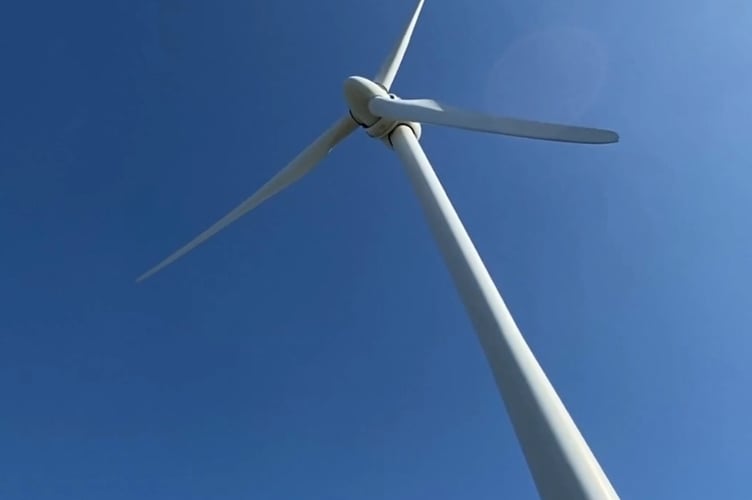
The application by Bute Energy is for Nant Mithil Energy Park at Radnor Forest, nine kilometres to the east of Llandrindod Wells and includes proposals for 30 wind turbines that are up to 220 metres in height.
The planning application will be dealt with by Welsh Government Planning Inspectors as it is classed as a Development of National Significance (DNS).




This means it will be processed by PEDW, and a Welsh Government Cabinet Secretary will eventually announce the decision based on a recommendation by a planning inspector, with PCC as a statutory consultee.
The proposal is at a public consultation stage, and the LIR is the council’s opportunity of feeding into the process.
The LIR explains what Powys planners think Welsh Government planning inspectors should take careful note of when deciding the application.
This includes advising PEDW and the developers of any secondary planning consents that may need to be applied for which would then need to be processed by Powys planners.
The council does not give a formal opinion on the proposal but outlines whether aspects of the development would be either positive, neutral or negative
On the whole, the report shows that there are 14 negative outcomes for the county if the development goes ahead, with only four positives noted.
The positives include the need for more renewable energy projects as well as improvements to bridleways and to Radnor Forest itself.
Negatives include the need for many “abnormal load” journeys to take equipment and material to the site to build it.
The negative impacts include the effects it would have on people living close by due to “shadow flicker” and the development would on birds such as the Red Kite.
It is also stated in the report that the development would have a negative impact on listed buildings in the area as well as the landscape character and visual aspects.
The report explains that Cowlod Common would need to be deregistered and that the company would need to provide the “equivalent” land to replace it.
The applicants would also need consent to carry out restricted worship on the BOAT (Byway Open to Any Traffic) that crosses the common.
The document said: “This report provides a factual, objective view of the likely impact of the proposed development on the area, based on PCC’s local knowledge and robust evidence of local issues.
“This report does not form a representation on the merits of the DNS proposal and does not include a balancing of the planning issues.”
Bute Energy said: “The proposal would generate 198MW (Mega Watts) of clean, green energy, that’s enough to power the equivalent of between 130,000 and 193,000 homes every year.
“The project will deliver significant benefits to the local community, including a Community Benefit Fund of around £1.5millon invested in community projects every year for the lifespan of the park.”
The PEDW consultation period ends on December 23.
Comments
This article has no comments yet. Be the first to leave a comment.