

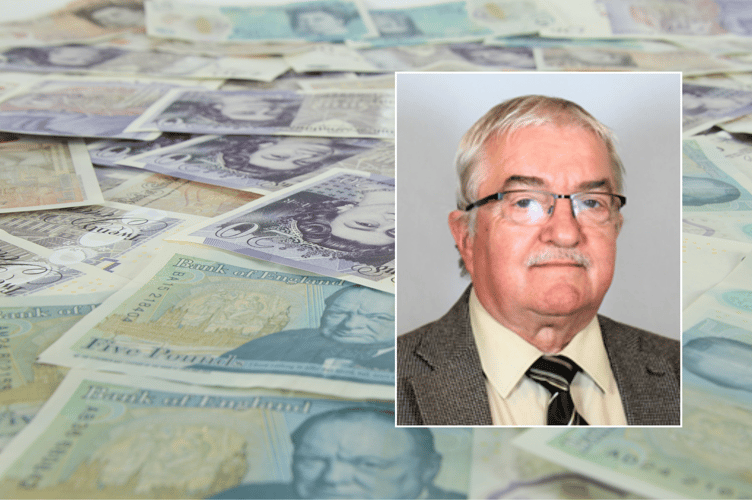
Do councillors know if residents can afford a 4.9 per cent council tax hike?
At a meeting of Powys Council’s Economy, Residents and Communities scrutiny committee on Tuesday, January 27, councillors probed the 2026/2027 budget proposals.
Cllr Pete Lewington (Conservative – Newtown West) raised concerns about affordability. He said: “I have questions about affordability; in previous years we have seen council tax increases far in excess of five per cent.”
This year, council tax rose by 8.9 per cent, and the council always calculates for a five per cent annual increase as a starting point.

.jpeg?width=209&height=140&crop=209:145,smart&quality=75)

Cllr Lewington added: “Obviously this has a cumulative effect and disproportionately impacts the most vulnerable.” He pointed out that the “continuing cost of living challenge” for Powys residents is highlighted in the budget report.
He asked: “What evidence was used to assess the affordability of a 4.9 per cent council tax for our residents? Have we tested if people can afford it? Has the cumulative increase of council tax been factored into our financial planning?”
Finance portfolio holder Cllr David Thomas (Labour – Tawe Uchaf) responded: “No administration wants to increase council tax, but unfortunately we do need to look at the challenges we are faced with.”
He explained that after receiving the details of the Welsh Government’s budget settlement, there was still a gap of £19 million to fill. Papers show the council predicts its budget need next year will be £402.5 million. The Welsh Government is set to provide £267.5 million, and the council currently receives just over £115 million in Council Tax, leaving a £19 million shortfall.
Cllr Thomas said: “We have to cover that, and there are a number of ways we could have done that. One would have been to leave everything as it is and simply increase council tax by roughly 19 per cent. But that’s totally unacceptable.
“We managed to discover £12 million worth of savings through service redesign, increases in fees and charges, which brought us to a position where we had a gap of £7 million.”
He explained that £2 million of this would be covered by an increase in the council tax base, reflecting that more properties have been built or are now classed as residential and liable for council tax.
Cllr Thomas continued: “Then we had to find another £5 million, which is covered by the 4.9 per cent council tax increase. Had we not done that, we would have had to find £5 million more in savings or reduce our spending.”
He added that cutting further could have meant less funding for schools or social services, creating “enormous problems for vulnerable residents.”
“So it’s a balancing act,” Cllr Thomas said. He added that 53 per cent of households will be eligible for some form of council tax reduction due to the “generous package” of discounts and exemptions provided by the council. “Only 47 per cent of residents will pay full council tax,” he said.
Cllr Lewington said he had heard no evidence beyond “reliance on the council tax reduction scheme.”
The budget and council tax for 2026/2027 will be finalised at a council meeting on February 26.
Comments
This article has no comments yet. Be the first to leave a comment.