
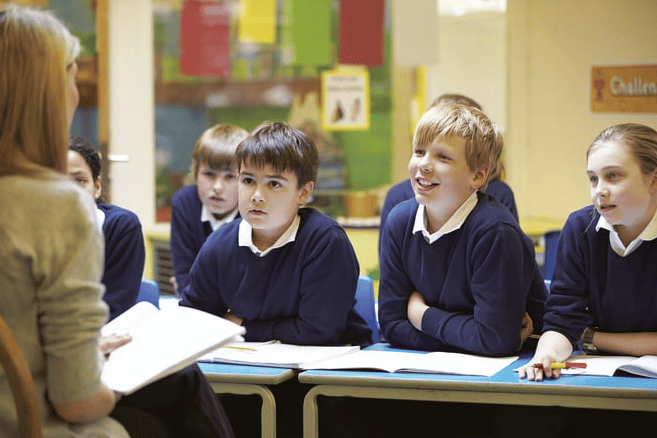
David Chadwick MP has called on the Welsh Government to overhaul funding for children from Armed Forces families after new figures revealed that Powys, despite having the highest number of service children in Wales, receives significantly less targeted funding than would be available under the English system.
Who are service children?
Service children are children whose parents serve, or have recently served, in the Armed Forces. Additional education funding is intended to help schools support the unique challenges these children can face, including frequent relocations, disrupted schooling and long periods of separation from their parents.
The figures:
Figures obtained through Freedom of Information requests reveal that Powys has 270 identified service children, the highest number of any local authority in Wales, followed by Pembrokeshire with 263 and the Vale of Glamorgan with 227.
In England, schools receive £360 annually for each eligible service child through the Service Pupil Premium, which recognises the additional challenges faced by children from military families, including frequent relocations, disrupted education and periods of separation from parents serving overseas.
If the same system operated in Wales, schools in Powys would receive approximately £97,200 annually.
However, the figures reveal that Powys schools received just £11,000 in targeted funding during 2025/26, down from £27,000 in 2021/22, a reduction of almost 60%.
The number of Powys schools receiving grants has also fallen, from eight in 2024/25 to just four in 2025/26.
Across Wales, the Welsh Government has allocated £310,000 to Supporting Service Children in Education (SSCE) Cymru for 2026/27. However, just £40,000 of this funding is available for individual schools and local authorities to apply for, down from £110,000 the previous year.



The remaining £270,000 is allocated to staffing, administration and wider support services, including School Liaison Officers who provide assistance to schools.
By comparison, providing the 2,236 identified eligible service children in Wales with funding equivalent to the English Service Pupil Premium would cost approximately £805,000 annually.
What our MP had to say:
David Chadwick, Welsh Liberal Democrat MP for Brecon, Radnor and Cwm Tawe has also raised concerns about the way funding is distributed in Wales.
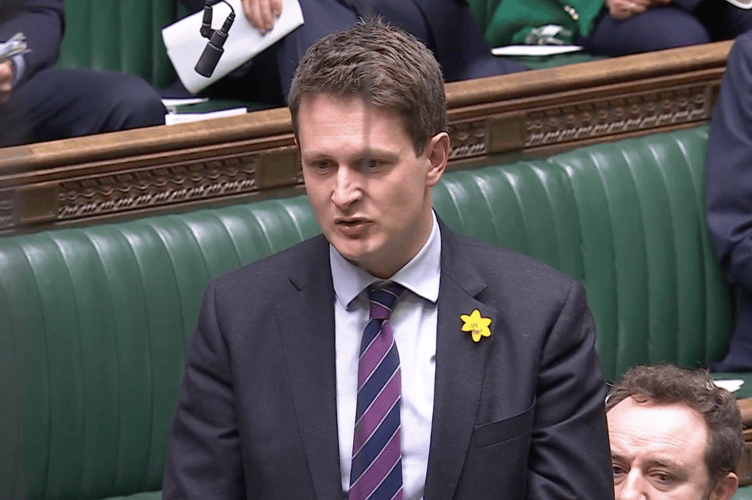
Unlike England, where funding follows individual pupils directly into schools, Welsh schools must submit competitive applications for grants. This means funding does not necessarily reflect the number of service children attending schools in a particular area.
Mr Chadwick said: “Children from Armed Forces families in Wales deserve the same level of educational support as their counterparts in England.
“Powys has more service children than anywhere else in Wales, yet our schools received just £11,000 in targeted funding last year, compared to the £97,200 they would attract under the English system.
“Just as concerning is how this funding is distributed. Rather than money going directly to schools based on the number of service children they support, Welsh schools are forced to compete for a shrinking pot of funding.
“Our Armed Forces families make enormous sacrifices for our country, and their children should not be disadvantaged simply because they live on the Welsh side of the border.
“The Welsh Government must urgently address this funding disparity and introduce a system where money follows the child, ensuring schools have the resources they need to provide the best possible support.”
The authorities’ responses:
When asked about the funding disparity in Wales compared to England; why the amount available to schools has fallen since 2021/22; and whether the Welsh Government would consider introducing a system similar to England's Service Pupil Premium, the Welsh Government said: “We have increased funding for service children in education in the current year from £270k to £310k and have also expanded the definition of those eligible for support from 2 to 6 years of their parents/carers leaving service and up until age 18 (from 16).
“We have commissioned an independent review of support for service children in Wales. The review is expected to report by spring of 2027. Once we receive the final report, we will consider its recommendations, in line with our commitment under the armed forces covenant for future years .”
After being approached for a comment, a spokesperson for Powys County Council said: “The number of service children varies but 270 would be potentially accurate depending on the day the data was collected to answer the Freedom of Information request.
“We cannot confirm the £11,000 funding to Powys schools as this goes from SSCE Cymru directly to the schools which have applied for a grant.
“Powys County Council does not receive any direct funding for the support of service children.”
The Brecon & Radnor Express also reached out to SSCE Cymru, but did not receive a response.
Comments
We've recently changed our login process. If you have an account for commenting, you will need to re-register on the login window.
This article has no comments yet. Be the first to leave a comment.